 English (Canada)
 Dansk
Dansk Deutsch
 English
 English (UK)
 Español
 Francais
 Italiano
 Magyar
 Nederlands
 Norsk
Norsk Polski
 Português (Brasil)
 Pycckui
 Suomi
Suomi Svenska
 עברית
עברית العربية
 日本语
日本语 繁體中文
繁體中文 한국어
한국어
Is lan cable same as ethernet cable?
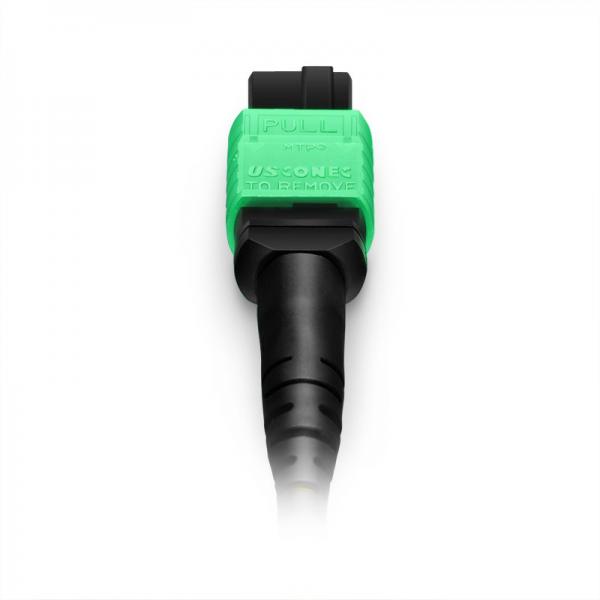
When setting up a home or office network, you may come across the terms "LAN cable" and "Ethernet cable." These terms are often used interchangeably, which can lead to confusion for those who are new to networking. Are LAN cables the same as Ethernet cables? The short answer is yes, but there are nuances to understand that can help you make informed decisions when purchasing or using these cables for specific purposes. This article will clarify the similarities and differences between these terms, explain their functions, and address key considerations when choosing the right cable for your needs.
Understanding LAN and Ethernet
To grasp the relationship between LAN cables and Ethernet cables, it's important to first understand the concepts of LAN and Ethernet.
LAN (Local Area Network):
A LAN is a network that connects devices within a limited geographical area, such as a home, office, or school. It allows devices like computers, printers, and servers to communicate and share resources. LANs are typically wired or wireless, with Ethernet being the most common wired technology used for creating LANs.
Ethernet:
Ethernet is a set of networking technologies and standards that define how data is transmitted over a network. It is used to connect devices within a LAN using physical cables or wireless connections. Ethernet has been the backbone of wired networking for decades, evolving over time to support faster speeds and greater reliability.
What is a LAN Cable?
A "LAN cable" is a general term that refers to any type of cable used to connect devices in a local area network. This can include Ethernet cables, fiber optic cables, or even older technologies like coaxial cables. In most modern contexts, however, when people say "LAN cable," they are almost always referring to Ethernet cables. The term "LAN cable" is more of a colloquial or informal way of describing Ethernet cables, particularly among non-technical users.
What is an Ethernet Cable?
An Ethernet cable is a specific type of cable used to connect devices within a network, typically in a LAN. Ethernet cables are designed to meet specific standards set by organizations like the Institute of Electrical and Electronics Engineers (IEEE) to ensure compatibility and performance. These cables use twisted pairs of wires to reduce electromagnetic interference and provide reliable data transmission.
Common types of Ethernet cables include:
- Cat5 (Category 5): Supports speeds up to 100 Mbps and is largely outdated.
- Cat5e (Category 5e): An enhanced version of Cat5, supporting speeds up to 1 Gbps and reduced crosstalk.
- Cat6 (Category 6): Supports speeds up to 10 Gbps over short distances and offers improved performance compared to Cat5e.
- Cat6a (Category 6a): An augmented version of Cat6, capable of maintaining 10 Gbps speeds over longer distances.
- Cat7 and Cat8 (Categories 7 and 8): Designed for high-performance networking with even higher speeds and bandwidths, often used in data centers or specialized environments.
Similarities Between LAN Cables and Ethernet Cables
-
Functionality:
Both terms describe cables used to connect devices in a network for data transfer. Whether you call it a LAN cable or an Ethernet cable, the purpose is the same: to enable communication between devices. -
Physical Appearance:
Most LAN cables and Ethernet cables look identical. They typically have an RJ45 connector on each end, which plugs into networking devices like routers, switches, or computers. -
Interchangeable Usage:
In everyday conversation, "LAN cable" and "Ethernet cable" are often used interchangeably. If someone asks for a LAN cable, they are usually referring to an Ethernet cable.
Differences Between LAN Cables and Ethernet Cables
While the terms are often used synonymously, there are subtle differences worth noting:
-
Terminology Origin:
- "LAN cable" is a broader term that can refer to any cable used in a local area network, not just Ethernet cables.
- "Ethernet cable" is a more specific term that refers to cables adhering to Ethernet standards.
-
Technical Specificity:
- If someone refers to a "LAN cable," they might not be specifying the exact type of cable, which could include Ethernet, fiber optic, or coaxial cables.
- "Ethernet cable" specifically refers to twisted-pair cables (like Cat5e, Cat6, etc.) designed for Ethernet networking.
-
Context of Use:
- The term "LAN cable" is more commonly used in informal or non-technical contexts.
- "Ethernet cable" is the preferred term in technical or professional settings, as it provides more clarity about the type of cable being discussed.
Choosing the Right Cable for Your Network
When selecting a cable for your network, it's essential to consider the following factors:
-
Speed Requirements:
Determine the speed you need for your network. For basic internet browsing and streaming, a Cat5e cable may suffice. For high-speed applications like gaming or 4K streaming, a Cat6 or Cat6a cable is recommended. -
Distance:
Ethernet cables have maximum effective lengths. For instance, Cat5e and Cat6 cables can transmit data up to 100 meters, while Cat6a can maintain higher speeds over longer distances. -
Environment:
If you're installing cables in areas with potential interference (e.g., near power lines or machinery), consider shielded Ethernet cables (e.g., Cat6a or Cat7) to minimize signal degradation. -
Future-Proofing:
If you're setting up a new network, it may be worth investing in higher-category cables, like Cat6a or Cat7, to ensure your network can handle future speed and bandwidth demands. -
Cost:
Higher-category cables tend to be more expensive. Balance your budget with your performance needs to choose the most cost-effective option.
Common Misconceptions
-
All Ethernet Cables Are the Same:
Not all Ethernet cables are created equal. The category of the cable (e.g., Cat5e, Cat6) determines its speed, bandwidth, and performance. -
Wireless Networks Don’t Need Ethernet Cables:
While wireless networks rely on Wi-Fi, the router or access point that provides the Wi-Fi signal is often connected to a modem or switch via an Ethernet cable. -
Old Ethernet Cables Work for High-Speed Internet:
Using outdated cables like Cat5 for a high-speed internet connection can create a bottleneck, limiting your network's performance.
Final Thoughts
In summary, while "LAN cable" and "Ethernet cable" are often used interchangeably, the term "Ethernet cable" is more precise and technically accurate. Both serve the same purpose of facilitating data transfer within a network, but understanding the distinctions can help you choose the right cable for your specific needs. By considering factors like speed, distance, and environment, you can ensure your network operates efficiently and reliably. Whether you're setting up a basic home network or a high-performance office system, selecting the appropriate Ethernet cable is a crucial step in achieving optimal connectivity.


